Tile Installation in Fort Worth & Arlington
Precision tile installation for showers, floors, backsplashes, and accent walls. Every tile set with care — no lippage, no shortcuts, no callbacks.
How Much Does Tile Installation Cost in Fort Worth?
Professional tile installation in the Fort Worth area costs between $8 and $25 per square foot for labor, depending on tile size, material type, pattern complexity, and surface preparation required. This does not include the cost of the tile itself, which ranges from $1 to $30+ per square foot depending on the material.
Standard ceramic or porcelain tile installation on a properly prepared flat surface runs $8 to $12 per square foot for labor. Large-format tiles (12x24 and larger) require more precise substrate preparation and leveling systems, increasing labor to $12 to $18 per square foot. Natural stone installation (marble, travertine, slate) requires additional care, specialty thinset, and sealing — labor typically runs $15 to $25 per square foot. Complex mosaic patterns, herringbone layouts, and intricate accent work are on the higher end of the labor range.
For a typical bathroom, total tile installation costs (labor plus materials) generally fall between $2,000 and $8,000 depending on scope. A shower surround alone (approximately 60-100 square feet of wall tile plus floor tile) typically costs $3,000 to $6,000 installed. A bathroom floor (40-80 square feet) runs $1,500 to $3,500 installed.
At Water & Stone, tile installation is our core trade. Owner Juan Campos has set tile professionally for over a decade, and every project benefits from that depth of experience.
Types of Tile We Install
We work with every major tile material on the market. Each has distinct advantages depending on the application, budget, and design goals.
Ceramic Tile
The most affordable option for bathroom walls and floors. Ceramic tile is made from natural clay fired at lower temperatures than porcelain. It's lighter, easier to cut, and available in a wide range of colors and sizes. Best suited for walls and low-traffic bathroom floors. Water absorption rate: 3-7% (not recommended for shower floors without proper waterproofing).
Cost: $1-$8/sq ft (material)
Porcelain Tile
The industry standard for bathrooms and wet areas. Porcelain is denser than ceramic, with a water absorption rate below 0.5%. It's more durable, more stain-resistant, and suitable for both walls and floors in high-moisture environments. Available in matte, polished, honed, textured, and wood-look finishes. Our most recommended material for shower installations.
Cost: $3-$15/sq ft (material)
Natural Stone
Marble, travertine, slate, quartzite, and granite bring unique character that manufactured tile cannot replicate. Each piece has natural veining, color variation, and texture. Natural stone requires sealing (annually for marble, every 2-3 years for granite) and specialized installation techniques. The premium choice for luxury bathroom remodels.
Cost: $8-$30+/sq ft (material)
Mosaic Tile
Small-format tiles (1x1, 2x2, penny rounds, hexagons) mounted on mesh sheets. Mosaics are the preferred material for shower floors because their numerous grout joints provide excellent wet traction. Also used for accent strips, niche liners, and decorative feature walls. Available in glass, porcelain, natural stone, and mixed-media combinations.
Cost: $5-$25/sq ft (material)
Large-Format Tile
Tiles 12x24 and larger (up to 48x96 slabs) create a sleek, modern look with minimal grout lines. Fewer grout joints mean less maintenance and a cleaner aesthetic. Large-format installation requires a perfectly flat substrate — we use self-leveling compounds and tile leveling systems (Raimondi or similar) to eliminate lippage. Particularly popular for shower walls and bathroom floors.
Cost: $4-$18/sq ft (material)
Subway Tile
The classic 3x6 (and its modern variations — 4x8, 4x12, 4x16) remains one of the most requested tile formats for bathrooms. Subway tile works in traditional running bond, stacked vertical, herringbone, and basket-weave patterns. Available in ceramic, porcelain, and glass. A timeless choice that works across design styles from traditional to contemporary.
Cost: $2-$12/sq ft (material)
Where We Install Tile
Tile installation requires different techniques and preparation depending on the application. We specialize in bathroom and wet-area installations where waterproofing and precision matter most.
Shower Walls & Floors
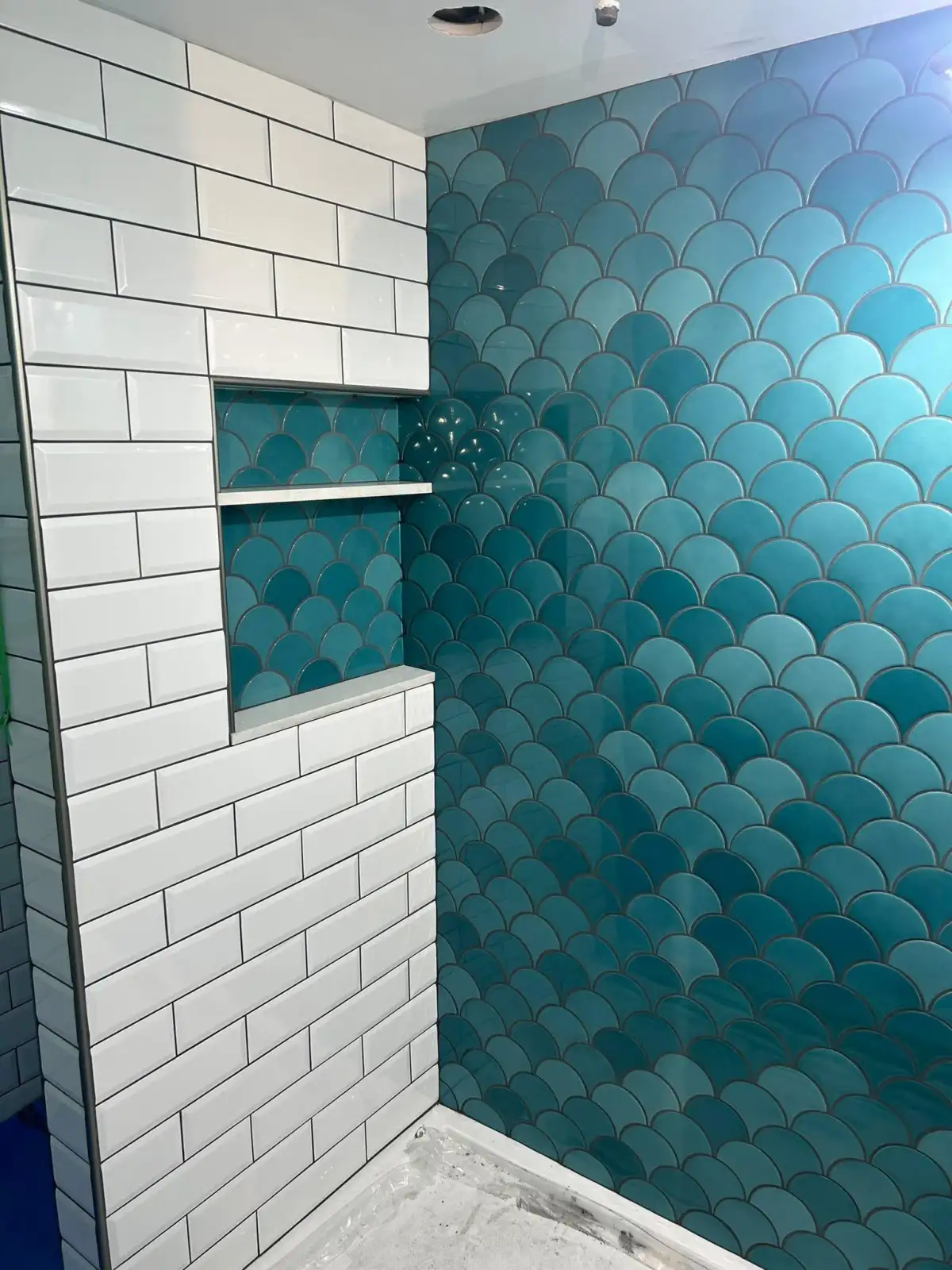
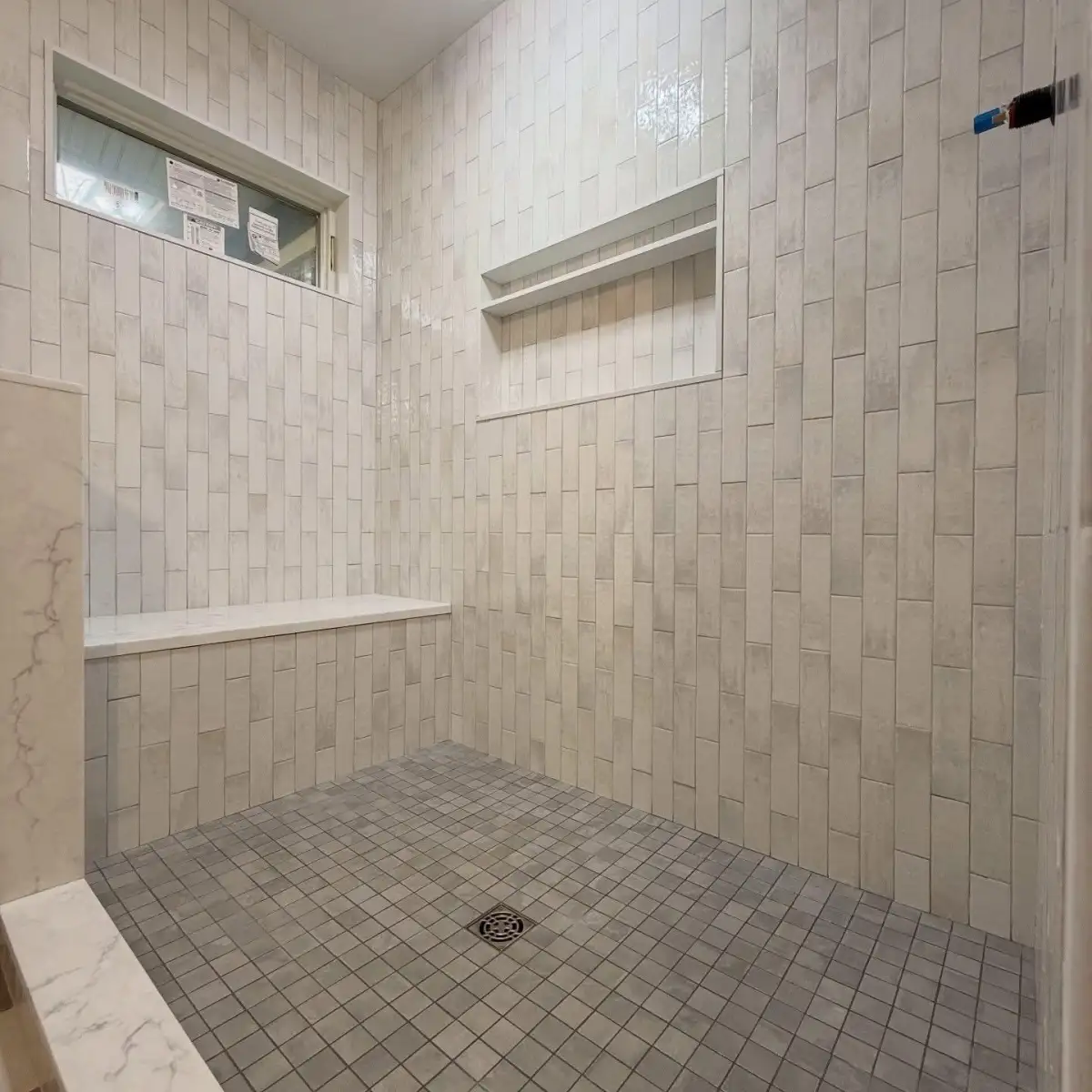
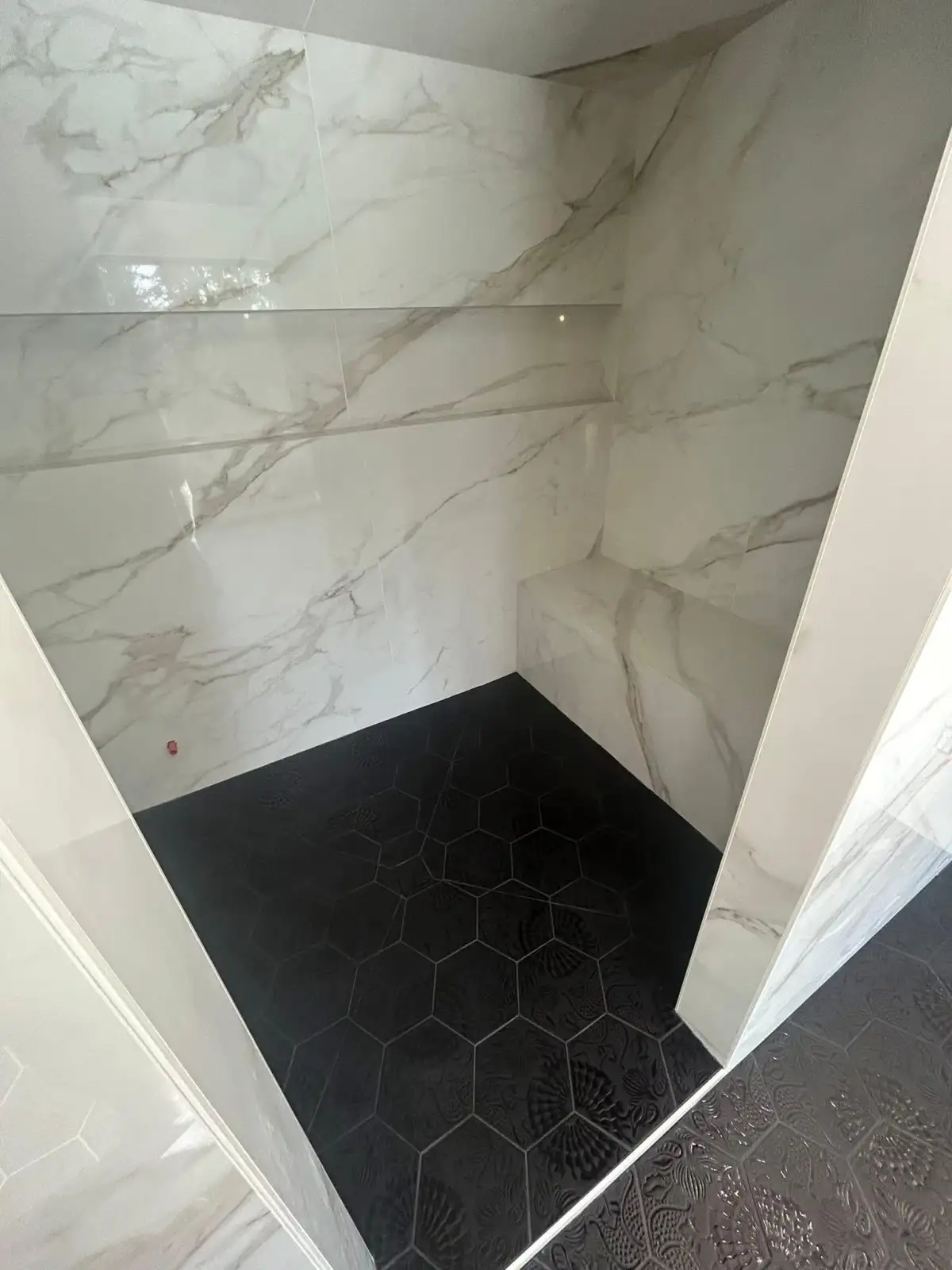
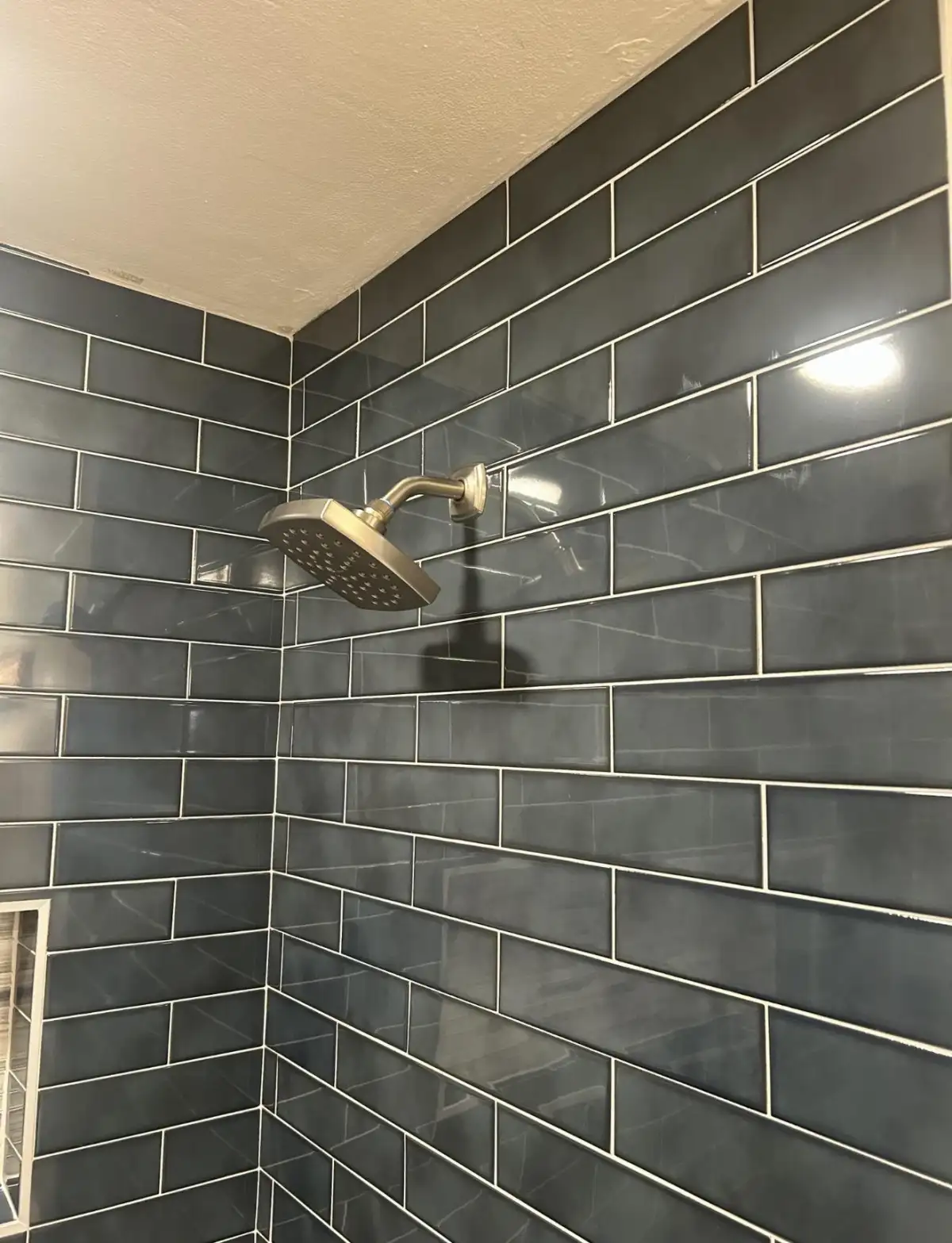
Shower tile installation is our primary specialty. Every shower we tile is built on a fully waterproofed Schluter-KERDI membrane system. We set tile over a properly prepared substrate with the correct thinset for each material type, maintain consistent grout joints using tile leveling systems, and ensure shower floor slopes meet the minimum 1/4" per foot drainage requirement.
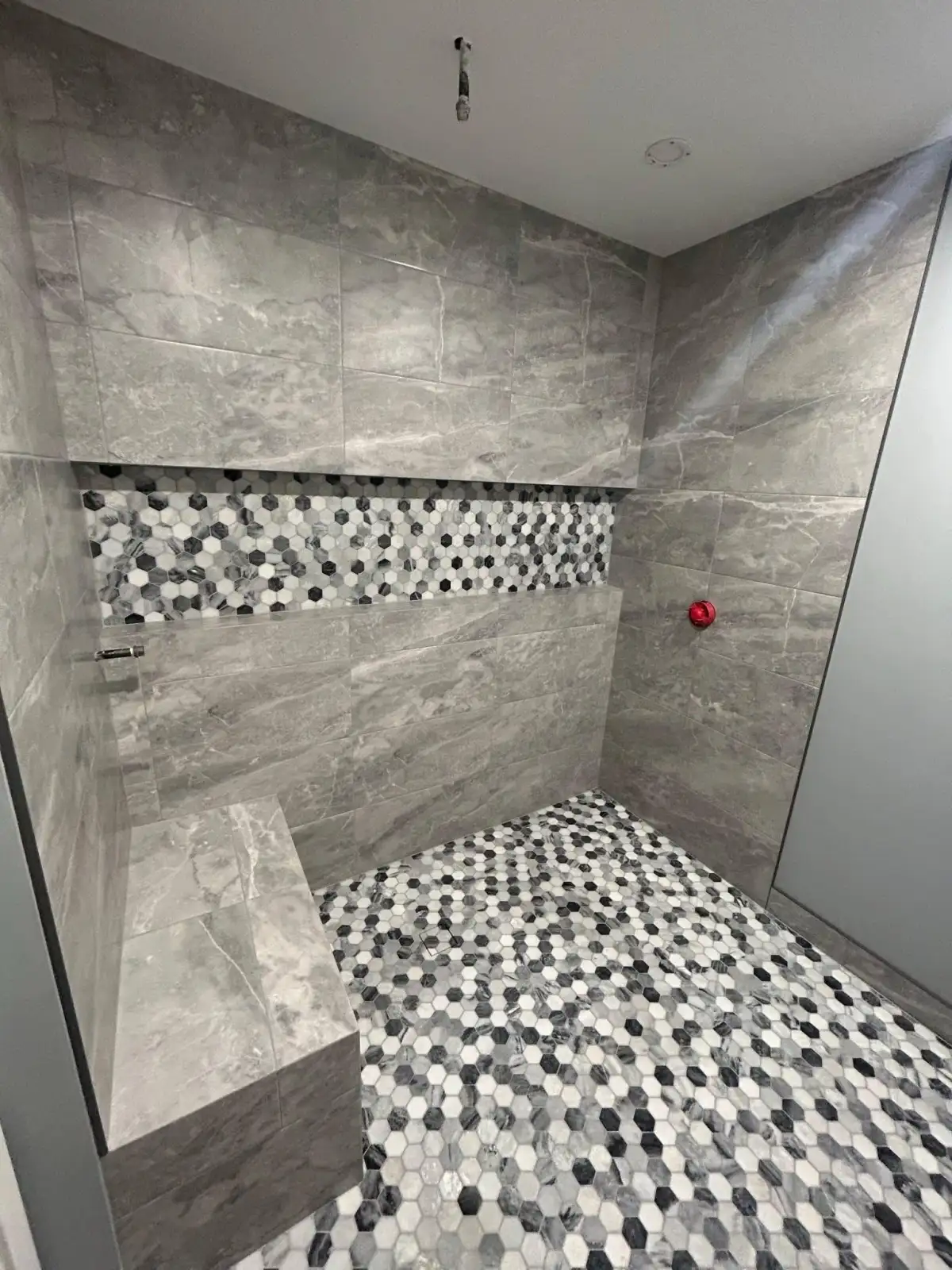
Shower tile projects range from simple shower refreshes (replacing existing tile on the same footprint) to complete custom builds with niches, bench seats, accent walls, and feature patterns. We handle all waterproofing, tile setting, grouting, and sealing in-house.
Bathroom Floors
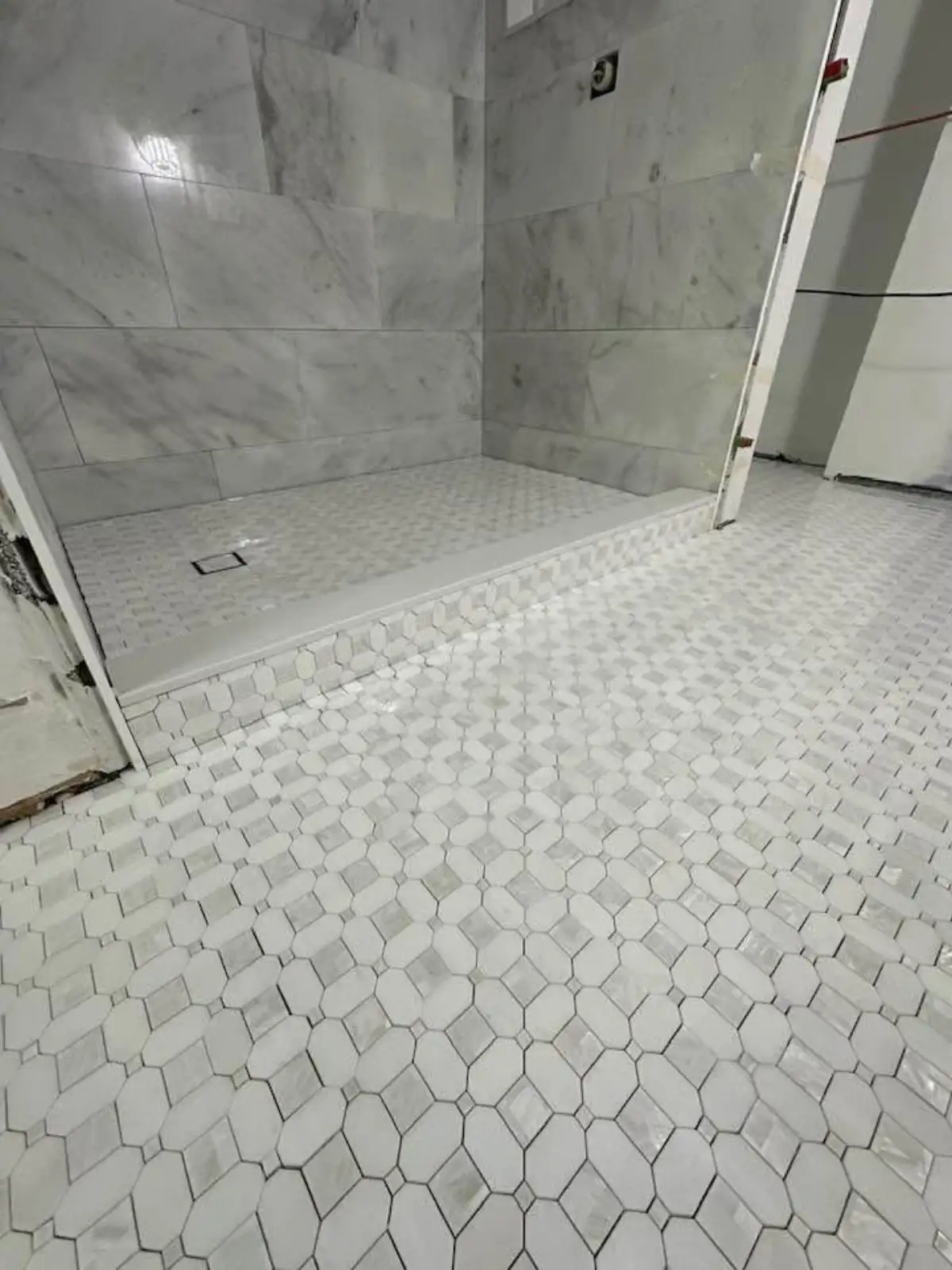
Bathroom floor tile must be both attractive and functional. We install over Schluter-DITRA uncoupling membrane, which prevents cracked tile caused by substrate movement (a common issue in Texas homes built on slab foundations that shift with soil conditions). DITRA also provides waterproofing protection to the subfloor beneath the tile.
Popular floor tile choices include large-format porcelain (12x24 or larger), wood-look porcelain planks, hexagonal mosaics, and natural stone. We ensure consistent lippage across the entire floor and tight transitions at doorways and thresholds.
Backsplash Installation
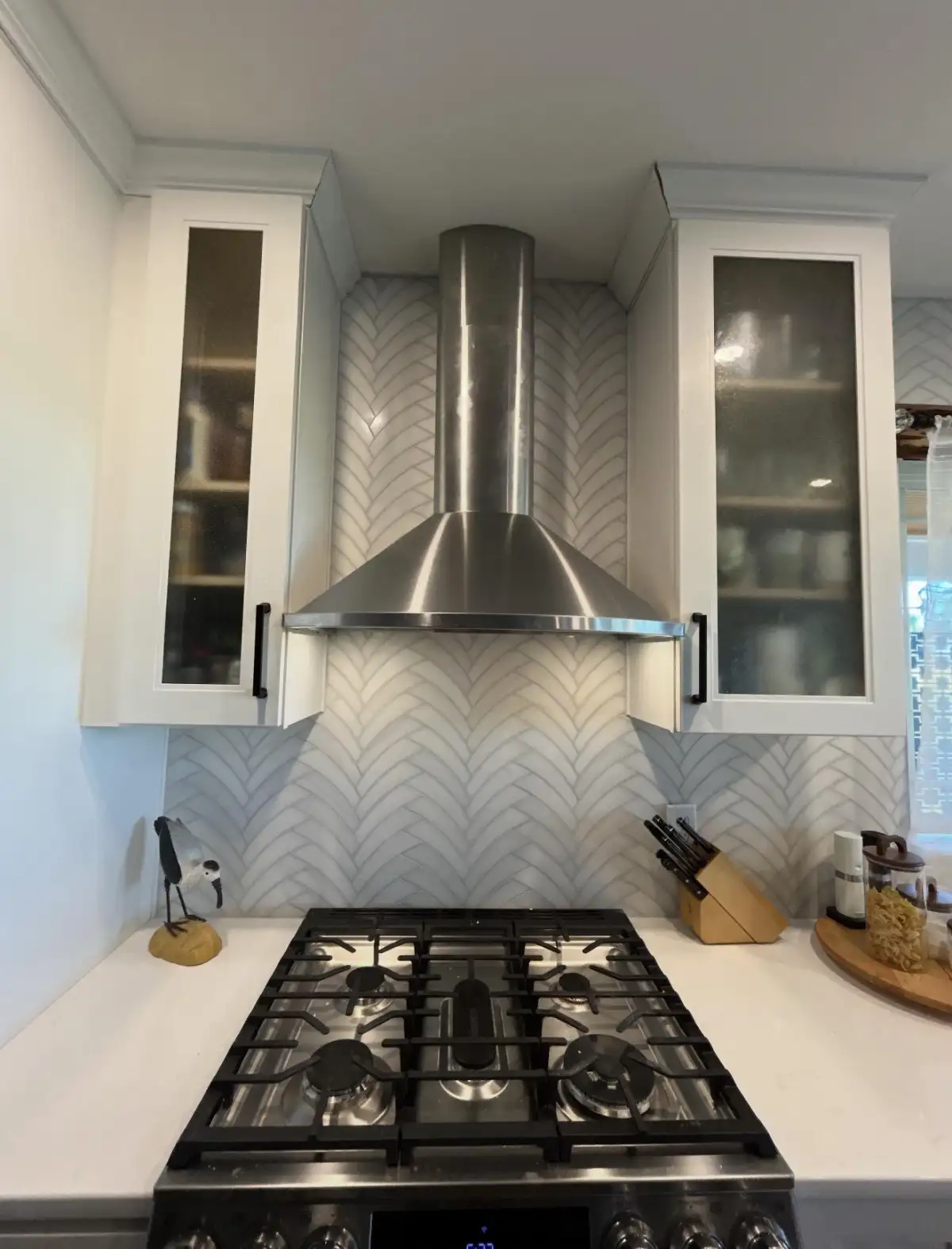
Kitchen and bathroom backsplashes are a high-visibility surface where precision matters. We set backsplash tile with clean, consistent grout joints and handle all cuts around outlets, switches, and fixtures. Popular backsplash materials include subway tile, glass mosaic, natural stone, and large-format porcelain. We can also install under-cabinet lighting and decorative trim as part of the backsplash project.
Accent Walls & Feature Surfaces
Accent walls add visual interest and architectural depth to bathrooms, entryways, and living spaces. We install tile accent walls using stone veneer, three-dimensional textured tile, patterned cement tile, and natural stone slab. These decorative surfaces are typically installed on non-wet walls, so the substrate preparation differs from shower installations — but the precision tile setting is the same.
Why Professional Tile Installation Matters
Tile installation appears straightforward — until you encounter lippage, hollow spots, cracking, water infiltration, and failing grout. Professional tile installation addresses the issues that cause 90% of tile failures:
Lippage Control
Lippage — the height difference between adjacent tile edges — is the most visible quality indicator in a tile installation. Industry standards (ANSI A108.02) allow a maximum lippage of 1/32" for grout joints less than 1/4" wide. We use mechanical tile leveling systems (clips and wedges) on every project to maintain consistent lippage tolerances, particularly with large-format tiles where even slight substrate variations become visible.
Substrate Preparation
Tile is only as good as the surface beneath it. We use self-leveling compounds, cement board, Schluter-DITRA uncoupling membrane, and foam panel systems to create the flat, stable substrate that tile requires. In shower applications, the substrate preparation includes full waterproofing membrane installation and flood testing before a single tile is set.
Waterproofing Behind Tile
In wet areas, what's behind the tile determines how long the installation lasts. Grout is porous — even sealed grout allows moisture vapor to pass through. Without a waterproofing membrane (Schluter-KERDI for walls, DITRA for floors), moisture reaches the substrate and causes mold, rot, and eventual failure. Every wet-area tile installation we perform includes proper waterproofing — this is non-negotiable at Water & Stone.
Proper Thinset Selection
Different tiles require different thinset mortars. Porcelain requires a polymer-modified thinset rated for low-absorption tiles. Natural stone requires white thinset (to prevent discoloration). Large-format tiles require medium-bed mortar. Using the wrong thinset leads to bond failure — tiles that seem fine initially but debond months or years later.
Recent Tile Installation Projects
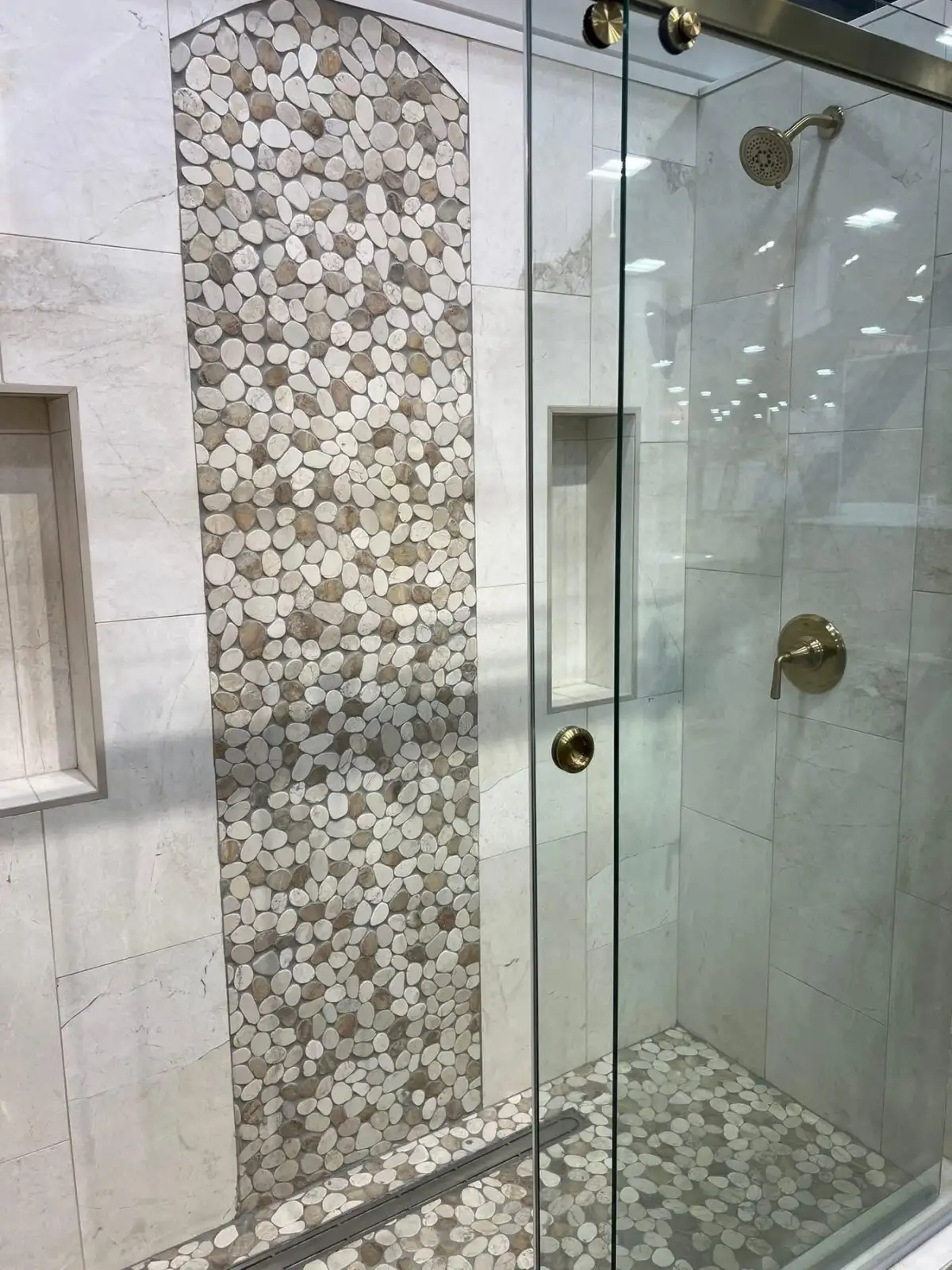
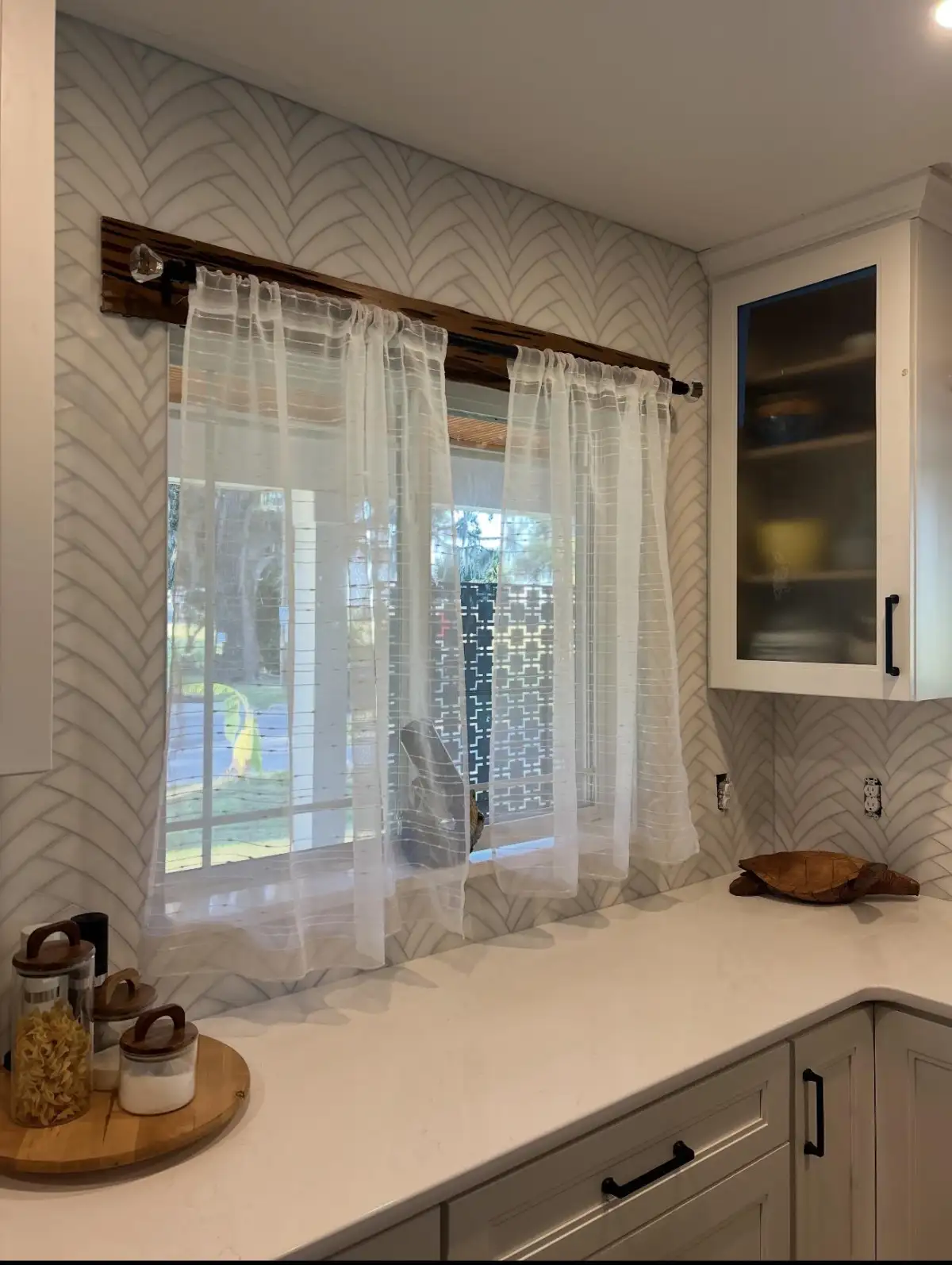
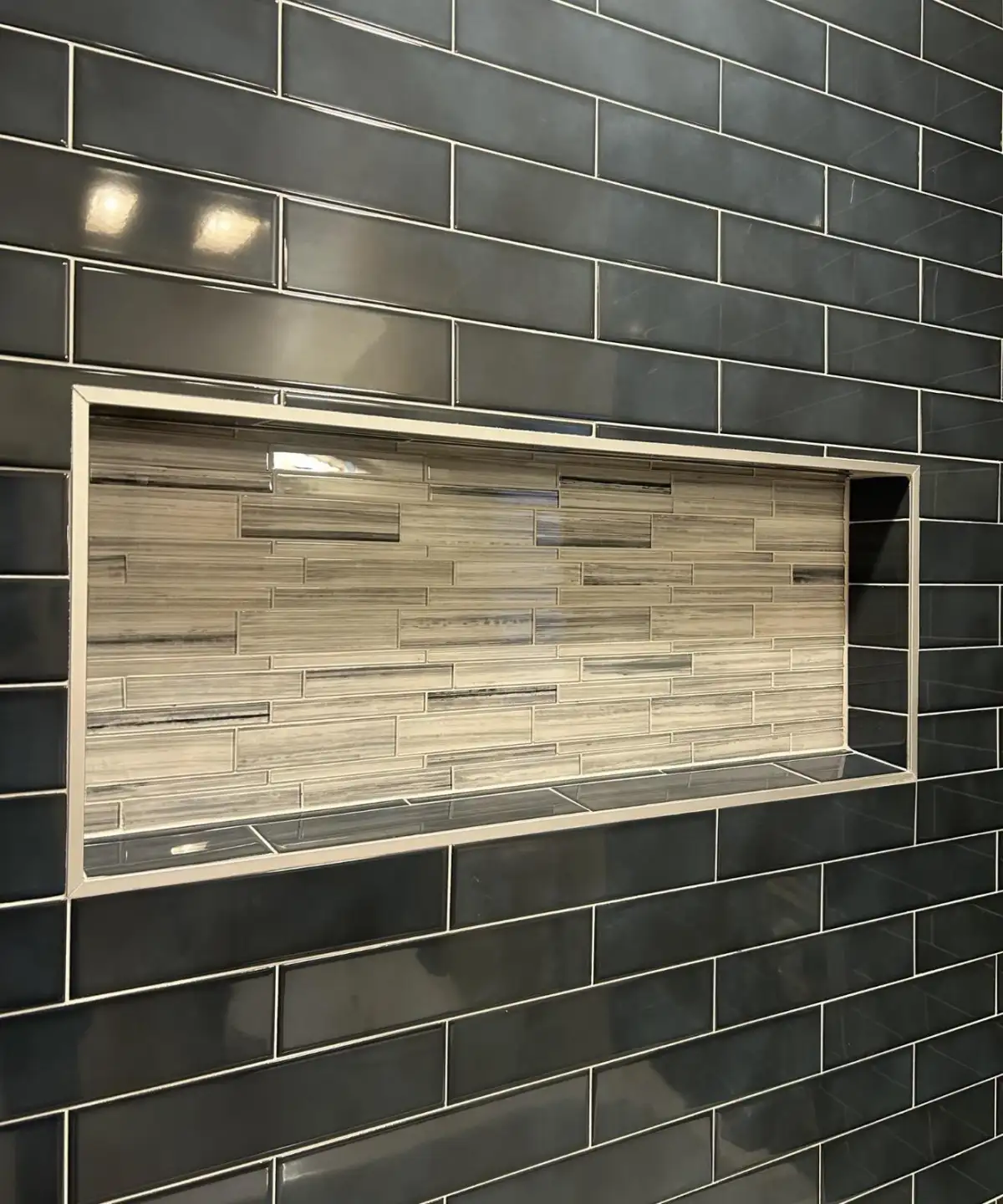
Juan and his team tiled our entire master bathroom — shower walls, floor, and a backsplash behind the vanity. The large-format tile on the shower walls is perfectly level with zero lippage. You can see the difference between their work and the builder-grade tile in our other bathrooms. Outstanding craftsmanship.
More Bathroom Services
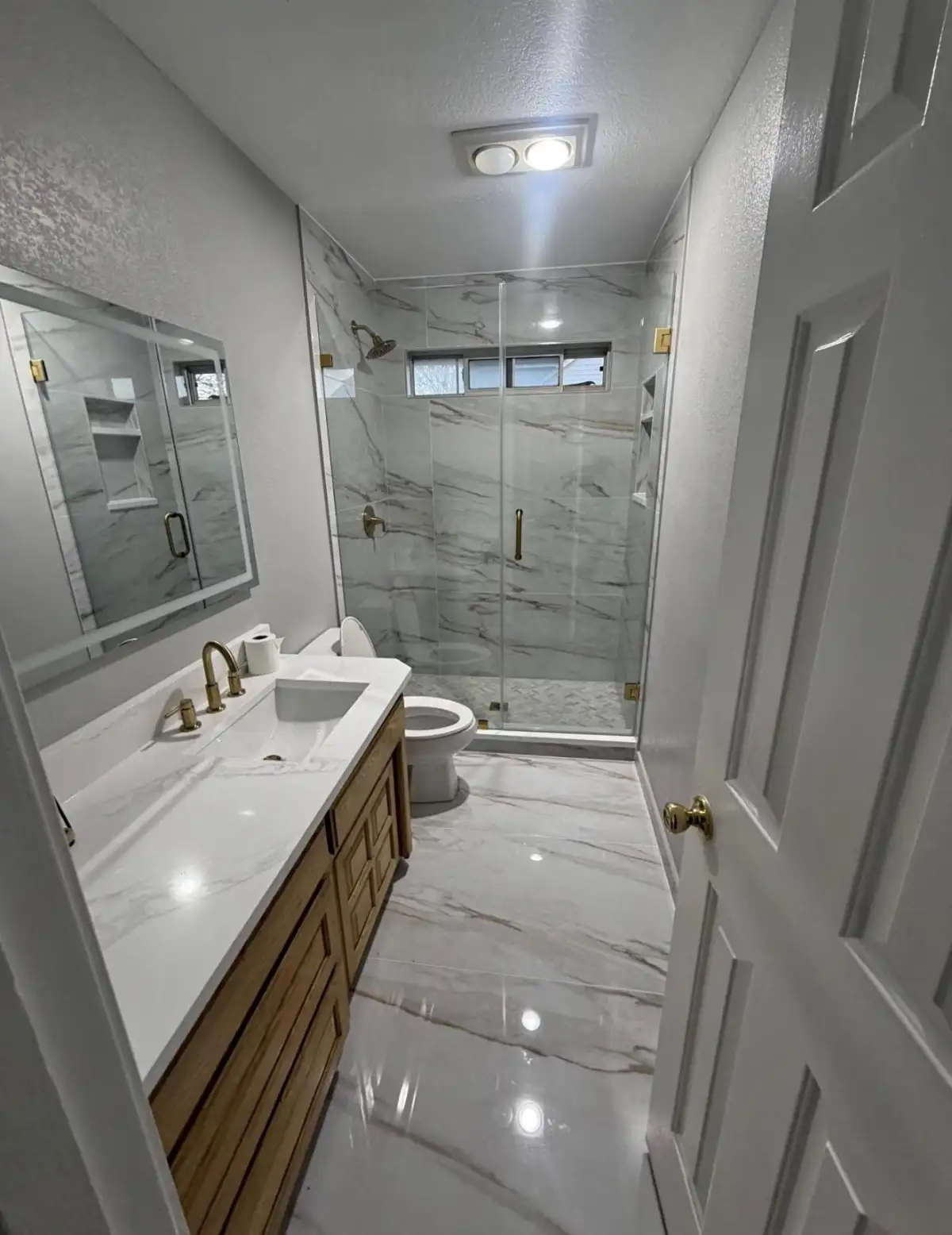
Shower Remodeling
Complete shower renovation including waterproofing, tile, glass, and fixtures. Our most popular service.
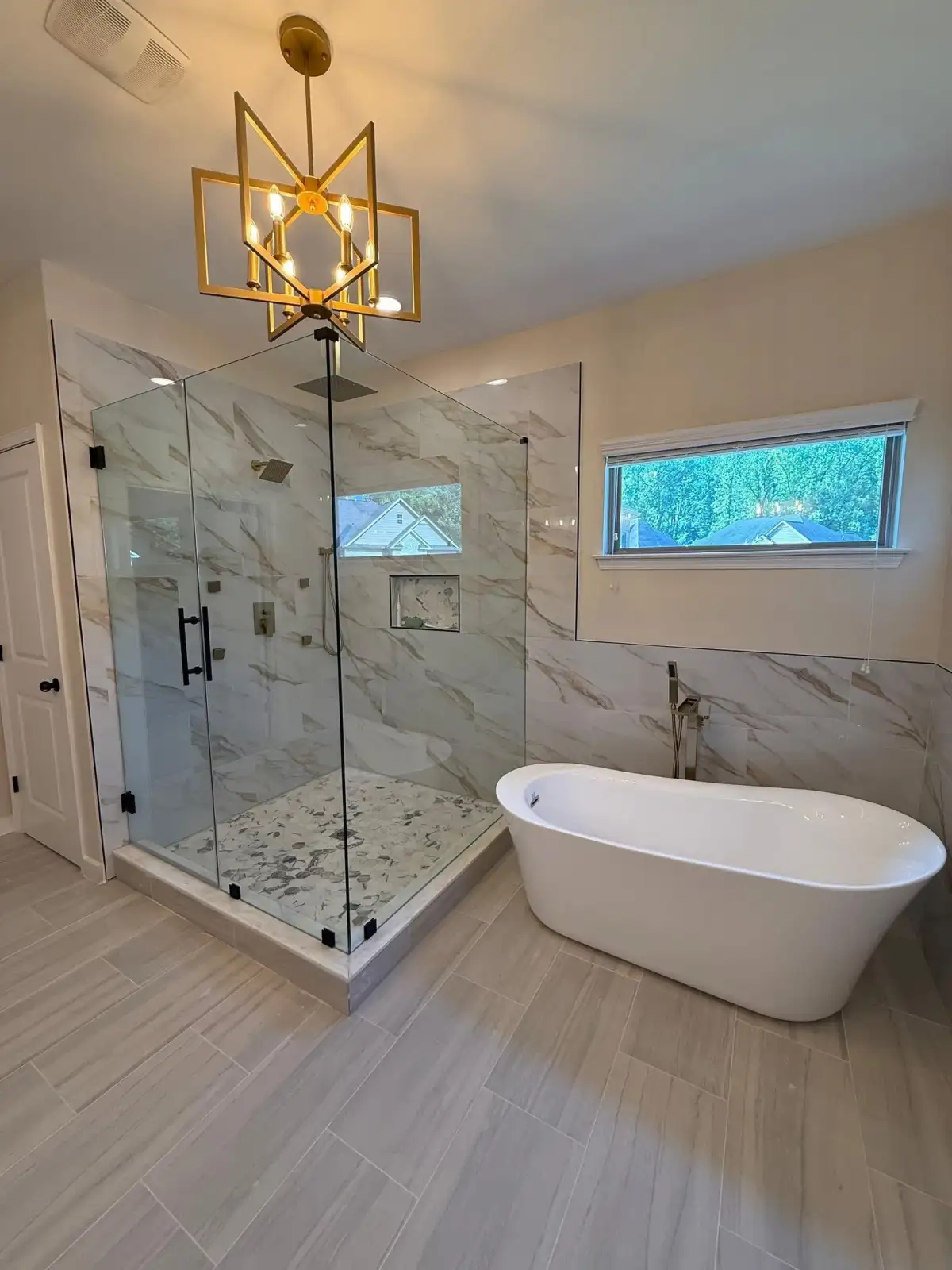
Full Bathroom Remodeling
Complete bathroom renovations including plumbing, tile, vanity, fixtures, and all finishes managed under one roof.
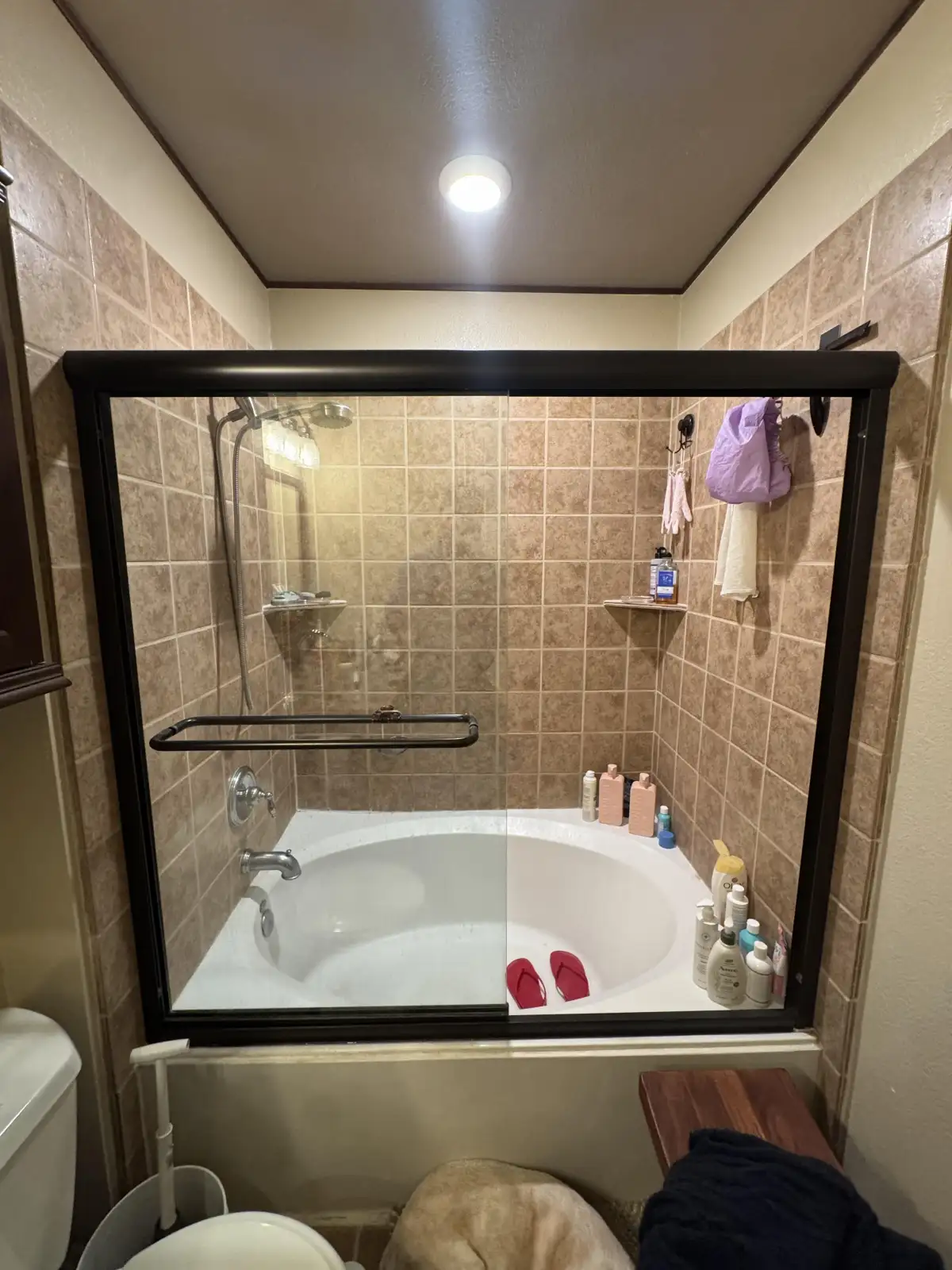
Walk-In Shower Installation
Open-concept, barrier-free walk-in showers with custom tile work and frameless glass panels.
Tile Installation FAQ
Timeline depends on the scope. A bathroom floor (40-80 sq ft) typically takes 2-3 days including substrate prep, tile setting, and grouting. A shower surround (60-100 sq ft of wall tile plus floor) takes 4-6 days for tile work alone (waterproofing adds 2-3 days before tile begins). A backsplash installation takes 1-2 days. Grout needs 24-48 hours to cure before the surface can be used or sealed. Large-format tiles and natural stone may add time due to more precise cutting and handling requirements.
Either approach works. Many clients prefer to select and purchase their own tile from local showrooms like Floor & Decor, Daltile, The Tile Shop, or Porcelanosa — this gives you full control over material cost and selection. Alternatively, we can source tile through our supplier network, often at contractor pricing. If you purchase your own tile, we'll calculate the exact quantity needed (including 10-15% waste/cut factor) and verify the tile is suitable for your application before installation begins.
Lippage is the height difference between adjacent tile edges. It's the most common visual defect in tile installations and the primary indicator of workmanship quality. ANSI standards allow a maximum of 1/32" lippage for joints under 1/4" wide. We use mechanical tile leveling systems — clips and wedges that physically hold tiles at the same height while the thinset cures — to maintain consistent lippage tolerances across every surface. This is especially critical with large-format tiles where even minor substrate variations create visible unevenness.
In some cases, yes — but we generally recommend against it. Installing tile over existing tile adds thickness (which affects door clearance, transition heights, and fixture alignment), relies on the original tile's bond to the substrate (which may be failing), and prevents inspection of the substrate for moisture damage. In shower applications, we never install over existing tile because proper waterproofing requires direct access to the substrate. For bathroom floors, overlay installation is occasionally viable if the existing tile is well-bonded and the added height doesn't create problems at transitions.
It depends on the tile material. Porcelain and ceramic tile themselves do not need sealing — they're already impervious to water. However, grout should always be sealed. Unsanded grout (used with joints under 1/8") and sanded grout (for joints 1/8" and wider) are both porous and will absorb water and stains without a sealer. We apply a penetrating grout sealer on every installation. Natural stone tile (marble, travertine, slate) requires both the stone surface and grout to be sealed — typically with a stone-specific impregnating sealer that penetrates the surface without changing its appearance.
Tile Installation Across the DFW Metroplex
Based in Arlington, we provide professional tile installation throughout the western DFW corridor.
Ready for Expert Tile Installation?
Schedule a free consultation. Bring your tile selections or let us help you choose — we'll measure your space, discuss layout options, and provide a detailed estimate.